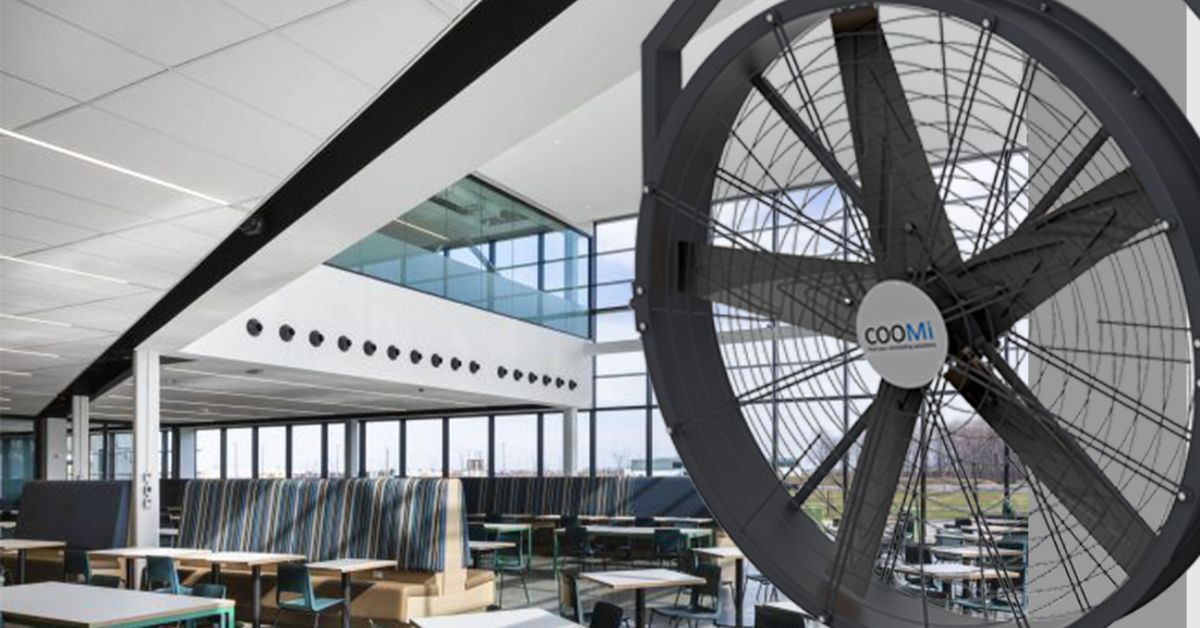
Choosing the Right Industrial Fan in Singapore for Your Business
When it comes to improving airflow, ventilation, and temperature control in large commercial or industrial spaces, investing in the right Industrial Fan Singapore can make a significant difference. Whether you are managing a factory, warehouse, gym, or even a large retail environment, having a reliable and energy-efficient fan system is essential. Industrial fans not only improve air quality but also enhance worker comfort, support equipment efficiency, and reduce overall cooling costs. Singapore’s tropical climate makes this investment even more crucial, given the consistent heat and humidity experienced year-round.
Understanding the Role of Industrial Fans
Industrial fans are designed to move large volumes of air and are typically used in settings where residential or commercial fans would be insufficient. Unlike traditional ceiling fans, industrial models are constructed with heavy-duty materials, more powerful motors, and optimized blade designs to create effective air movement across vast spaces. They are commonly used for purposes like cooling, drying, ventilation, and odor control.
In places like Singapore, where space constraints meet high humidity, the demand for advanced ventilation solutions is increasing. Industrial fans address this need by delivering consistent airflow, reducing the risk of heat-related fatigue, and maintaining a more stable indoor environment.
Types of Industrial Fans
Before purchasing an industrial fan in Singapore, it’s essential to understand the different types available and how each serves distinct purposes:
-
Ceiling-Mounted Industrial Fans: Ideal for warehouses and large indoor areas, ceiling-mounted fans provide wide air coverage and can help reduce the temperature by up to 10°C in some settings.
-
Wall-Mounted Industrial Fans: These fans are space-saving and useful in workshops or factories where floor space is limited. They provide directional airflow and are excellent for targeted ventilation.
-
Pedestal and Floor Fans: These are more mobile options that can be repositioned easily. They’re typically used for temporary cooling or in locations where fixed installation isn’t possible.
-
Exhaust and Ventilation Fans: Commonly used in kitchens, factories, and manufacturing units, these fans expel hot or contaminated air, improving indoor air quality.
-
High-Volume Low-Speed (HVLS) Fans: These are particularly effective in large spaces such as logistics centers or sports halls. Despite their size, they move air efficiently at low speeds, resulting in substantial energy savings.
Benefits of Installing an Industrial Fan in Singapore
In a fast-paced and industrially dynamic environment like Singapore, the benefits of installing an industrial fan extend far beyond simple cooling. Here are a few notable advantages:
-
Improved Air Quality: Industrial fans enhance ventilation by dispersing pollutants, fumes, or dust particles, which is critical in production and manufacturing environments.
-
Energy Efficiency: By using industrial fans in conjunction with HVAC systems, businesses can lower their reliance on air conditioning and reduce electricity costs.
-
Worker Comfort and Productivity: A comfortable working environment boosts employee morale and reduces the chances of heat exhaustion or fatigue, particularly in non-air-conditioned facilities.
-
Maintenance of Equipment: High temperatures and poor air circulation can damage sensitive machinery. Industrial fans help prevent overheating, thereby extending equipment lifespan.
-
Condensation Control: In humid regions like Singapore, condensation can be an issue. Industrial fans help maintain airflow, reducing moisture accumulation on surfaces and machinery.
Factors to Consider Before Purchasing
If you’re looking to invest in an Industrial Fan Singapore, there are several factors to consider to ensure you select the right solution for your needs:
-
Size of the Space: Measure the total area and ceiling height of your facility. Large spaces may benefit from multiple fans or HVLS fans to achieve uniform airflow.
-
Purpose: Identify whether the fan will be used primarily for cooling, ventilation, or both. This will determine the fan type and placement.
-
Noise Levels: Some industrial settings, like offices within warehouses or educational institutions, require quieter fan models. Choose fans that are optimized for low noise output if needed.
-
Energy Consumption: Consider fans with energy-efficient motors and designs. While some models may cost more upfront, they often offer better savings in the long run.
-
Durability and Maintenance: Look for fans constructed from corrosion-resistant materials, especially important in humid climates. Easy-to-clean models also help reduce downtime.
-
Installation and Placement: Evaluate whether the fan requires professional installation. Improper mounting can reduce performance and pose safety risks.
Trends in the Singapore Industrial Fan Market
The industrial fan market in Singapore is evolving with advancements in technology and increased environmental awareness. Businesses are now seeking smart fan solutions that integrate with building management systems (BMS) for optimized energy consumption and remote control. IoT-enabled industrial fans, for example, can adjust speeds based on temperature, humidity, and occupancy levels.
Another growing trend is the adoption of sustainable practices. More manufacturers are focusing on eco-friendly materials and designing products that meet green building certifications. This aligns well with Singapore’s broader goal of becoming a more sustainable and energy-efficient nation.
Applications Across Industries
Industrial fans are used across a wide range of sectors in Singapore. Here’s a breakdown of how different industries benefit:
-
Manufacturing: Keeps workers cool on the factory floor and prevents overheating of equipment.
-
Warehousing and Logistics: Enhances airflow in large storage areas, preserving stored goods and ensuring employee comfort.
-
Hospitality and Retail: Large ceiling fans in food courts or shopping centers offer cooling without overly relying on air conditioning.
-
Agriculture: Helps ventilate greenhouses and animal shelters to control temperature and reduce humidity.
-
Sports and Recreation: Indoor gyms, stadiums, and fitness centers use HVLS fans to circulate air efficiently.
Maintenance and Longevity
To ensure your Industrial Fan Singapore investment pays off over the years, routine maintenance is essential. Clean the blades periodically, check motor function, inspect mounting brackets, and listen for unusual noises that may indicate wear or imbalance. Proper care ensures the fan operates at peak efficiency and avoids unexpected downtime.
Final Thoughts
Choosing the right Industrial Fan Singapore requires a mix of technical knowledge, understanding your workspace needs, and planning for long-term efficiency. With Singapore’s humid climate and growing demand for energy-efficient solutions, industrial fans offer a cost-effective way to boost productivity, ensure worker safety, and lower cooling expenses. Whether you’re upgrading an old facility or setting up a new operation, take the time to explore your options and consult with industry professionals to make the most informed decision.
In summary, the right industrial fan can be a game-changer for your business environment. It’s not just a tool for comfort—it’s a strategic asset that improves operational efficiency, reduces costs, and supports a healthier workplace. As demand continues to grow, more businesses across the island are seeing the value in making this smart, sustainable investment.